How Caulfield's roofs came to be
Mansions first, estates after
eMelbourne says most of Caulfield's mansions stood in the west and north, built until the 1890s depression. Many of the bigger homes were later carved into housing estates. Labassa, in Caulfield North, is now a National Trust property.
Brick by regulation
As estates spread, the council imposed brick-only rules on some areas, and by 1920 set minimum allotment sizes and frontages too.
Edwardian homes and bungalows
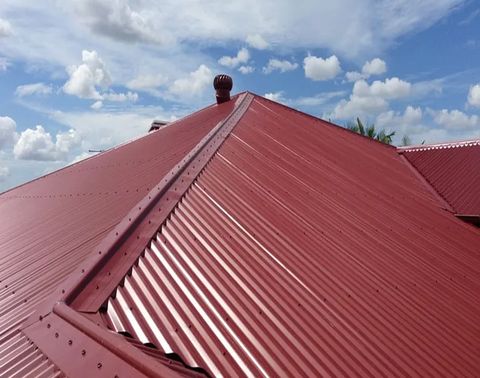
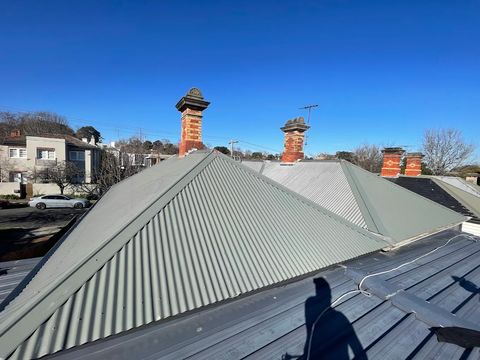
Caulfield is known for Edwardian homes and bungalows. Federation-era roofs are usually terracotta tile or galvanised iron, and the interwar Spanish Mission houses use Spanish terracotta tiles.
Old swamp ground
In the mid 1800s the area was swampy and low-lying. Paddy's Swamp became the 26 hectare Caulfield Park, and an escarpment near Dandenong Road marks the start of higher ground to the north.
Shared walls
At the 2021 Census, 39.9% of occupied dwellings were separate houses, 37.9% semi-detached, row or townhouses and 21.5% flats or apartments. Caulfield South has kept more of its detached houses, including A.V. Jennings' first estate, on Hillcrest Avenue (1933).
What Caulfield owners usually call about
Leaks where two roofs meet. On a semi-detached house or a row of townhouses, the flashing and gutters along the shared line serve both homes. Water can travel along that line, so the stain in your bedroom may start on next door's side. It's worth agreeing with your neighbour to have one roofer look at the whole run.
Gutters that can't keep up. Melbourne's 6 March 2010 storm damaged about 2,000 homes, mainly because overloaded gutters led to leaks and collapses. On older, low-lying blocks, check that downpipes actually reach a working drain.
Tired tile roofs. Where the tiles are sound but the ridges and pointing have gone, a restoration usually makes more sense than a new roof.
What you can check, and what to leave to a roofer
You can
- Watch from inside or at ground level where water goes in a downpour
- Photograph ceiling stains with the date, so the roofer can match them to rain
- Talk to your neighbour before booking work on a shared roof line
- Find out whether your property is under a Heritage Overlay
Leave to a roofer
- Anything above ground level, including the gutters
- Flashing along a shared roof line
- Replacing or matching broken tiles
- Rebedding and repointing ridge caps
Our take for Caulfield
On a shared roof, we'd get both sides inspected in one visit and split the cost of anything that serves both homes. On a heritage house, we'd stick to the same tiles and details, because Glen Eira exempts repairs that don't change the look and use the same materials. Changing the roofing material is a separate conversation with council first.
Want a roofer to take a look?
Tell us the job and your postcode. We match it with a Find My Roofer certified roofer who specialises in that kind of work, and they call you to quote. Your number goes to them alone.